You Can't Have an Eighth Day Without the Seventh Day


A common evidence used by interpreters of church history is the Epistle of Barnabas. A first mention of a concept called the "Eighth Day" appears in this letter and has often been naively interpreted as an eclipses of the Sabbath. This blog will challenge the commonly held belief that Barnabas is rejecting Sabbath in favour of Sunday. Instead, it will be demonstrated that the epistle points to new creation in preparation of Christians appreciating and embracing the Sabbath. Use of "Eighth Day" imagery is symbolic and points to the New Creation found in Christ.
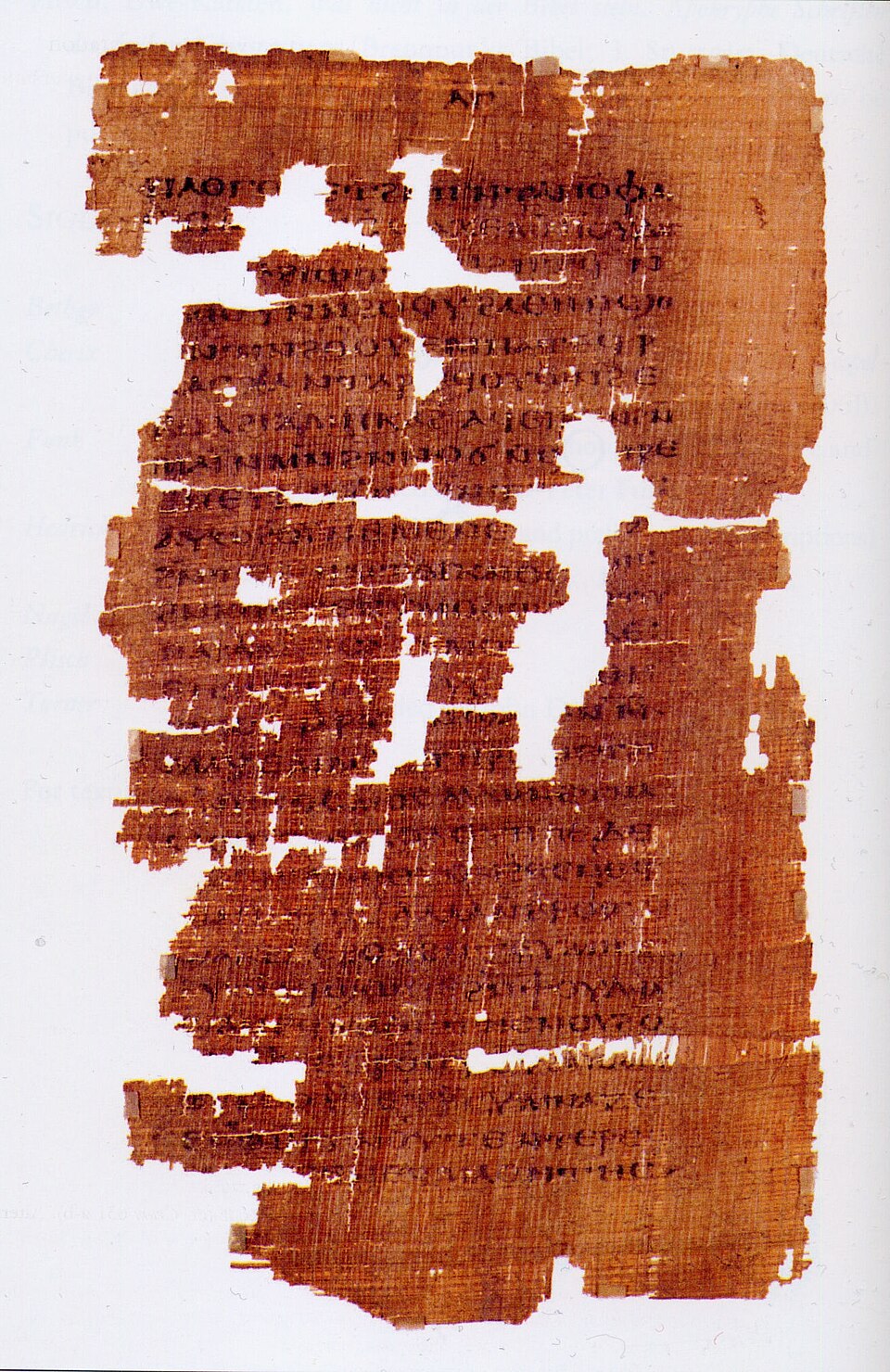
The Epistle of Barnabas dates roughly to 70-135AD. It is a very early Christian letter. Sometimes it has often been collected together with the New Testament because of its early authorship and potential connection to a living follower of Jesus. It is often cited as evidence of early Christian practice of observing the first day of the week. Yet I believe it is also points to continuing Sabbath observance too. My hope is to challenge the tendency to see Sunday practice as an automatic rejection of the Sabbath in church history.
Have a read of the epistle for yourself in the link below. This article will focus on Chapters 12-15.


Prior to fifteenth chapter which mentions the Christian habit of observing the first day of the week, the epistle explores the Old Testament emphasis on Christ as the fulfilment of prophecy. It also outlines that the Ten Commandments were broken by the people of Israel but kept by Jesus and given to the church. He writes:
"He was manifested, in order that they might be perfected in their iniquities, and that we, being constituted heirs through Him, might receive the testament of the Lord Jesus, who was prepared for this end, that by His personal manifestation, redeeming our hearts (which were already wasted by death, and given over to the iniquity of error) from darkness, He might by His word enter into a covenant with us." (ANF1 Epistle of Barnabas Chapter 14).
The contention that Barnabas has with the commandments is that they are not fulfilled by Israel because of their sin, nor humanity in its unrepentant state, but by Jesus making His followers the heirs through covenant. Christians fulfill God’s covenant because they put their faith in Jesus who fulfilled the covenant. Here the Commandments are not rejected but affirmed. It is the sinful heart that is rejected. This is an affirmation of the 10 Commandments for the Christian (of which the Sabbath is one).
In the fifteenth chapter, Barnabas shapes eschatology on the pattern of creation, culminating in the Sabbath which is the capstone of the creation week. By invoking the seventh-day Sabbath, Barnabas is declaring that new creation is inevitable and will happen just as the old creation was finished. This is a guarantee that as he created all things in six days, it is guaranteed that God will complete the recreation of all things when Jesus returns. Sabbath rest is used as the blueprint of eschatological completion. This is the first affirmation of Sabbath by Barnabas.
The Heart of Sabbath
The second part of the chapter begins with "Moreover," and sets up a question whether it is possible to sanctify the sabbath with pure hearts and hands. The question is about the heart and practice of Sabbath, not its relevance.
His conclusion is that with proper rest, and removal of wickedness, “Then we shall be able to sanctify it, having been first sanctified ourselves.” Barnabas points to the need for our own sanctification by Jesus before being able to sanctify the Sabbath. We do not keep the Sabbath to be right with God but because we are right with God. The prerequisite for keeping Sabbath is the new creation. This is the second affirmation of the Sabbath by Barnabas.
Barnabas is making the point that only Christians can keep Sabbath truly because of the new creation (literally: "another world") that is made possible by Christ. The prophets critique the Jews because Sabbath is devoid of that spiritual power that comes from Christ.
"Further, He says to them, Your new moons and your Sabbath I cannot endure. Isaiah 1:13. You perceive how He speaks: Your present Sabbaths are not acceptable to Me, but that is which I have made, [namely this,] when, giving rest to all things, I shall make a beginning of the eighth day, that is, a beginning of another world." (ANF1 Epistle of Barnabas Chapter 15).
Here Barnabas makes the important point. God through the prophet Isaiah, in that day described the Sabbath practiced as unacceptable. The prophets anticipate a new creation that God is doing which allows for the true keeping of the Sabbath.
The Eighth Day
Here enters Barnabas uses of the 8th day symbol. He uses this symbol to describe the new world in which righteousness reigns. This is a reference to what came after God created the world and what will come after God recreates the world. The recreation is not just future, but comes on the day Jesus rose from the dead. With this new creation living, the Sabbath will be able to be sanctified.
The “8th day” is a symbolic designation of hope stemming from Jesus' resurrection, appearance/manifestation, and ascension. "Eighth Day" is symbolic of the New Creation ("Another world") which brings joy. Barnabas invokes the "Eighth Day" in a purely symbolic way - not literal. The Day Jesus rose from the dead was the First Day and does become part of Christian practice.
It is noteworthy that no biblical evidence point to the appearances and the ascension occurring on the first day of the week. Together these important events are grouped together under the "Eighth Day" symbol to indicate the new creation Jesus has inaugurated.
Barnabas does not here condone the abolition of Sabbath, but puts it in its proper context. It is a false assumption to assume such a drastic removal of Sabbath. Barnabas says the only way to truly keep Sabbath is to experience sanctification and the new creation by Christ. The fifteenth chapter of his epistle continues the theme started in chapter thirteen which sees the Old Testament covenant and commandments as only finding their full fruition and completion in Christian commitment.
Conclusion
The entire fifteenth chapter of Barnabas' Epistle has affirmed the Sabbath. It would be strange to conclude now that Sabbath must be eclipsed by the first day of the week. My suggestion is that the two actually live in unity and symbiosis. You can't have an "Eighth Day" hope without a Seventh Day completion of creation and recreation. The two are distinct in the Epistle of Barnabas and should remain so for Christians today.
The Sabbath is stripped of its religious baggage by Barnabas and given its proper place in the context of the Christian faith and hope. Sabbath must be based on a living faith in Jesus as victorious Saviour and Sanctifier of the sinner. Sabbath anticipates the second coming of Jesus and the restoration of the world.
Christians who practice and remember the Lord's Day as the Eighth Day symbol would benefit from connecting this practice to the Seventh Day practice of Sabbath.
Further Reading

 Contributors to Wikimedia projects